Sam Alberry’s situation has lots of people repeating the question so often asked when a leader falls: Should he ever be restored to ministry?
I asked that about myself back in 1984, after repenting of my own moral failings. Was I permanently disqualified?
I figured “yes.” I’d fallen too hard, for too long, and done too much damage. Even now, 48 years after it all came down, my behavior back in 1978 looks repulsive: a married man who’d been a full-time pastor gets spotted in a gay bar by a former parishioner. The buzz spreads.
Nobody seemed to care that the man reporting this was also in that same gay bar. What mattered was that Rev. Joe Dallas was there. Exposed and naked, I became hardened overnight.
I left my wife, adopted an insanely destructive lifestyle for a year, then joined a pro-gay church, and for the next five years morphed from Gay Man to Gay Christian to Gay Minister to Gay Activist.
God turned me around in 1984. (To read the full story click HERE) I relocated to anther county, started attending Calvary Chapel of Costa Mesa, signed up with a Christian counselor, and began a slow but awesome process of restoration.
Volunteer? Sure. But Minister? Never!
As a forgiven Prodigal, it was enough to be let back inside my Father’s house.
But as a worker, never a leader, or so it seemed. I assumed my days of preaching, teaching, or shepherding were over, because much as I loved doing all three, I viewed them the way I saw functions of the Levitical Tabernacle – sacred duties reserved for consecrated Levites, not formerly-consecrated-but-now-defiled Prodigals.
That was OK. I was more than content volunteering as a keyboardist for the choir, playing on the softball team, and fellowshipping with believers who were fast becoming my best friends and allies.
But the further I grew in restoration, and the closer I drew to God as time passed, the more my passion for teaching the Word and offering
counsel grew.
Which was ridiculous, of course. Why even consider trying to pick up the calling I’d so carelessly thrown away? Who was going to want me in the pulpit, and even if they did, by what right could I reenter service with those irreversible black marks on my resume?
Despite all those sensible objections, Romans 11:29 kept replaying in my head like a relentless echo chamber: “The gifts and calling of God are without repentance.”
I wanted to counsel again. I wanted to teach a simple verse by verse Bible study again. I wanted to communicate Biblical principles in ways people could apply to their own discipleship. It made no sense, but there it was. I wanted to minister again.
Wanted to? I was craving it! So I decided that I was either deluded or needed to re-think my conviction that after a fall, a minister is simply no longer
a minister.
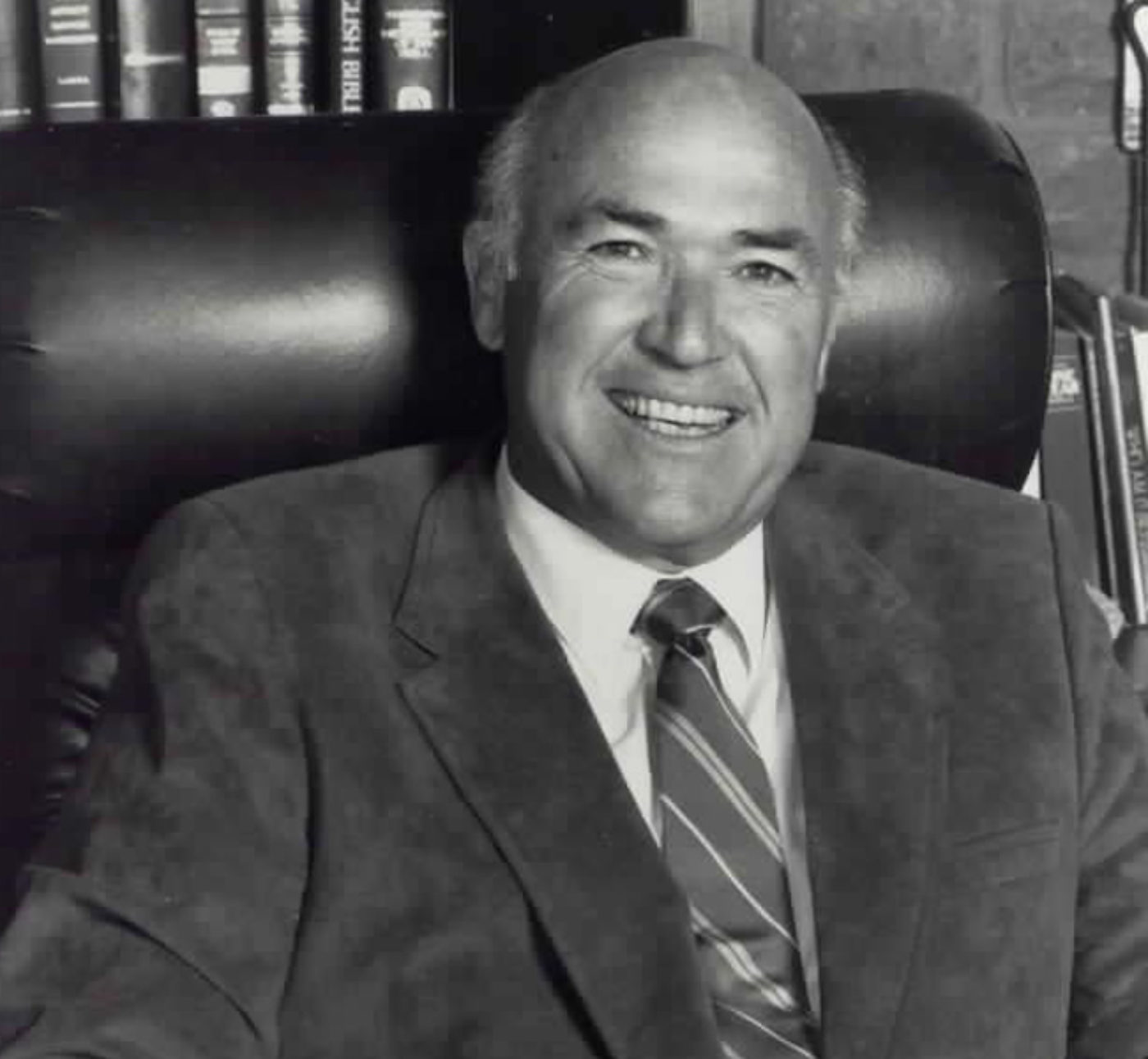
Needing answers, I turned to the man whose teaching had guided me so well and for so long. Pastor Chuck Smith would tell me the truth.
I stepped in line to speak with him after an evening service, ready to accept whatever he advised.
“Chuck, Should I Even Think About Going Back Into Ministry?”
I began by explaining I’d been a minister for 6 years, backslidden into sexual immorality for another 6, then repented a year ago.
“Praise the Lord,” he said, and anyone familiar with Chuck knows that beautifully measured tone he’d use when speaking those words.
“I know God’s forgiven me,” I continued, “but my guts are burning up! I want to minister again. I can’t find any New Testament verse telling me I can’t, or that I should. So please, Chuck – am I disqualified?”
He didn’t hesitate.
“No, I don’t think your past permanently disqualifies you. If I thought sin can’t be forgiven, or a sinner fully restored, even as a minister, then that would negate the very Gospel I preach.”
How do you spell relief?
“However,” (and here I got the Chuck Smith stern gaze and pointed index finger at the same time) “you need to wait on God and get built back up. Don’t move ahead just because you have the gifts and the desire. Move ahead when you get the green light from Him, and not a day sooner.”
That made perfect sense. He went on, a little more gently:
“Also, don’t forget how serious it is to deliberately sin when you’re serving God. Don’t be condemned over what you did, but don’t forget it, either. Then, like Jesus said, go and sin no more.”
It would be another three years before the light changed from red to green.
“Let These First Be Proved”
41 years after that game-changing conversation with Chuck, and 39 years since my current ministry began, I’ve got no stones to cast at any servant who’s fallen. That’s why my heart goes out today to Alberry, along with prayers for God’s will to be fully completed in his life.
That’s also why I believe in restoration, but only if preceded by genuine repentance, plus all necessary correction and refining. These can’t
be rushed.
In fact, when naming qualifications for leadership, Paul stressed the necessity of a proven track record (I Timothy 3:10) and the admonition to “let these first be proved” seems especially urgent in these days when ministers are so quickly platformed, with or without the maturity needed to sustain under the ministry’s demands.
God’s work should be entered joyfully but slowly, carefully, and with a proven track record. That goes for servants who are new to it, and those who’ve been in it, then temporarily disqualified themselves. Either way, the door should be opened by God alone, never broken down by
impatient vessels.
So does the moral failure of a minister permanently disqualify him? Not necessarily, to my thinking.
But if he re-enters the ministry, let it be done only after a sustained period of right living, a full and open repentance for his failure, the witness of the Church that he has shown fruit of repentance, and a full understanding of what led to his fall, followed by an implementation of whatever is necessary to keep it from happening again.
Charles Spurgeon spoke eloquently to this when writing on the subject:
“I question, gravely question whether a man who has grossly sinned should be very readily restored to the pulpit. As John Angell James remarks, ‘When a preacher of righteousness has stood in the way of sinners, he should never again open his lips in the great congregation
until his repentance is as notorious as his sin.’ “
To read my tribute to Pastor Chuck Smith after his death in 2013
Click HERE
Comments
comments for this post are closed